Blog

Various Applications of Ultrasonic Sensors

2026-04-02

Industrial liquid level measurement as one of the applications of ultrasonic sensors

Introduction

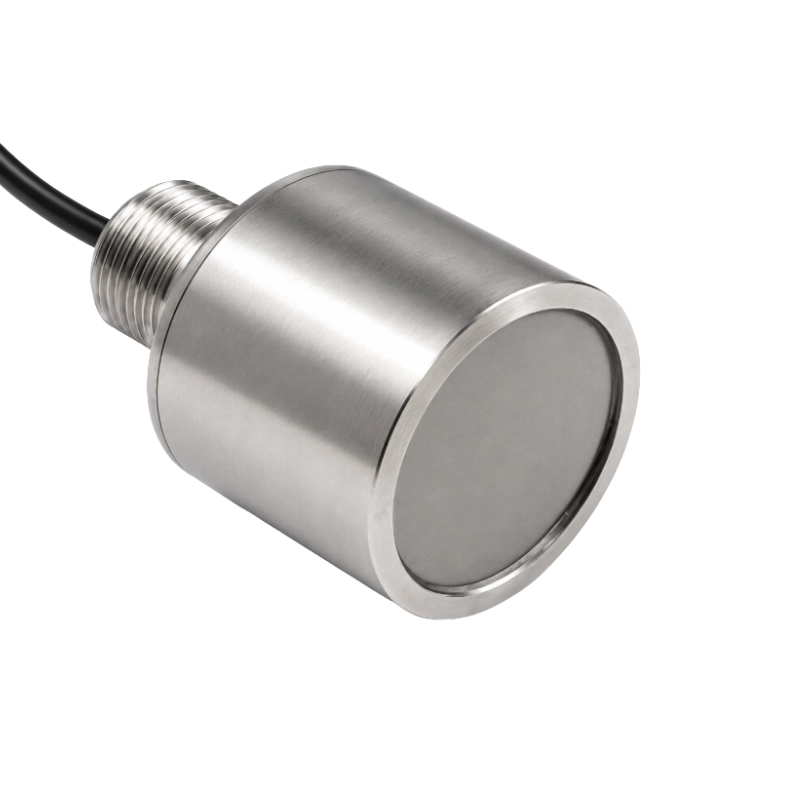
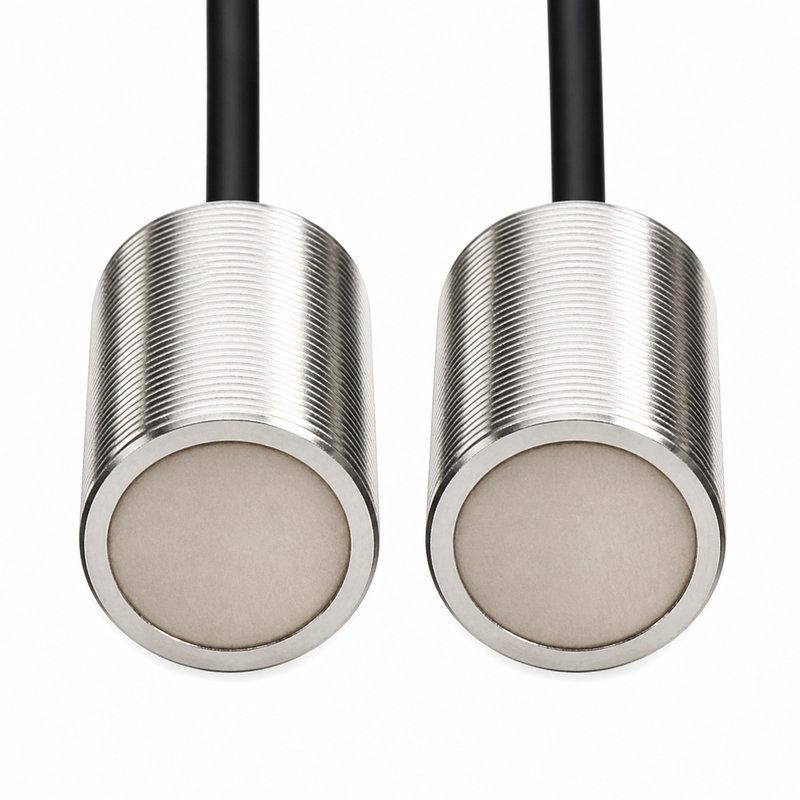
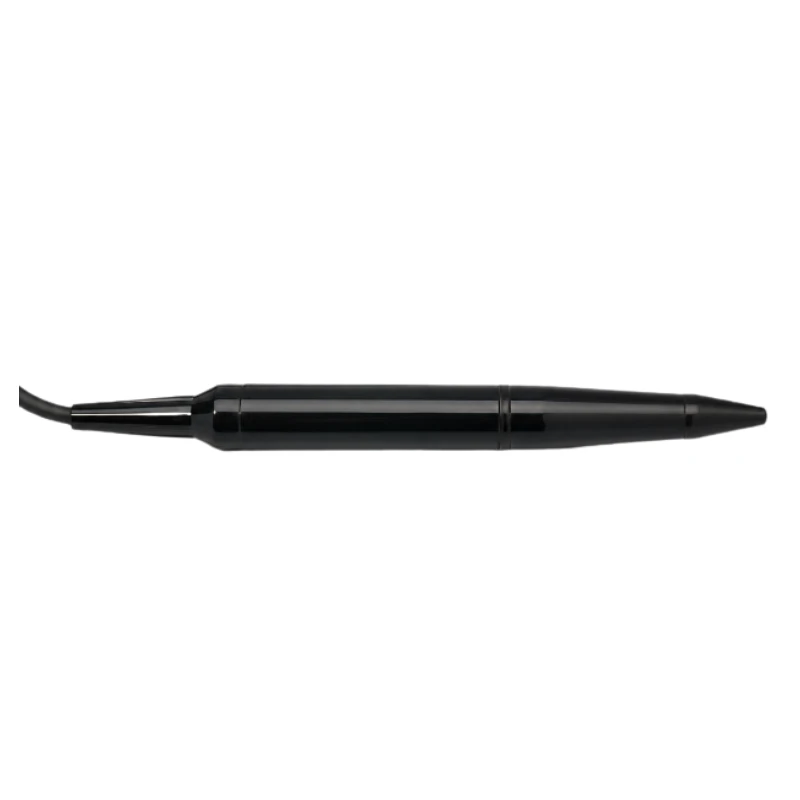
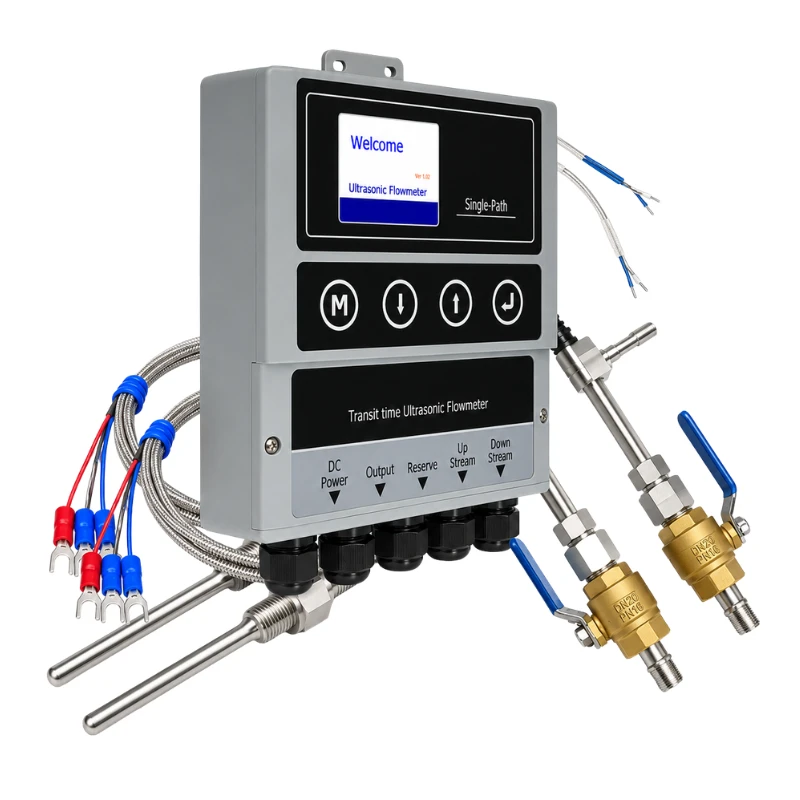
Ultrasonic sensors are widely used in modern industry and everyday technology because they provide reliable, non-contact detection and measurement. The applications of ultrasonic sensors include object detection, distance measurement, liquid level monitoring, and automated system control across a wide range of environments.

Compared with many other sensing technologies, ultrasonic sensors are especially useful when color, transparency, or surface finish makes optical detection difficult. They can often detect clear materials, shiny surfaces, powders, liquids, and irregular objects more effectively than standard photoelectric methods.

In this article, we will explore the applications of ultrasonic sensors, how they work in real-world scenarios, and why they remain an important choice for industrial and commercial systems. If you are exploring ultrasonic sensor products, understanding these applications can help you choose the right sensing solution for your project.

What Is an Ultrasonic Sensor?

An ultrasonic sensor is a device that emits high-frequency sound waves and measures the time it takes for the echo to return after hitting an object. This principle is commonly known as time-of-flight measurement.

Using this method, the sensor can determine:

  • Distance to an object
  • Presence or absence of an object
  • Level of liquids or bulk materials
  • Position in motion or automation systems

Because ultrasonic sensing is non-contact, it reduces wear and helps improve long-term reliability in many applications.

Why Ultrasonic Sensors Are Widely Used

Ultrasonic sensors are popular because they offer several practical advantages.

Non-contact measurement

They can detect or measure without physically touching the target, which is important for fragile, moving, hot, or contaminated materials.

Good performance on challenging surfaces

They are less affected by object color, gloss, or transparency than many optical sensors.

Suitable for liquids and solids

Ultrasonic technology can be used for tank level monitoring, object detection, and distance measurement across many industries.

Reliable in automation

They are commonly used in industrial systems where stable, repeatable sensing is required.

Industrial Automation and Manufacturing

One of the most common applications of ultrasonic sensors is in industrial automation.

In manufacturing environments, ultrasonic sensors are used for:

  • Object detection on conveyor lines
  • Presence and absence verification
  • Part counting
  • Positioning and alignment
  • Packaging inspection

For example, in a conveyor system, an ultrasonic sensor can confirm whether a box, bottle, or container is present at a specific station. Unlike optical sensors, it can often detect transparent packaging or glossy materials more reliably.

In automated production lines, ultrasonic sensors also help improve efficiency by reducing manual inspection and enabling more precise control. In many of these environments, businesses rely on tailored industrial sensor solutions to improve detection accuracy and overall productivity.

Liquid Level Measurement

Ultrasonic sensors are widely used for non-contact liquid level monitoring in tanks, reservoirs, and containers.

Typical industries include:

  • Water treatment
  • Chemical processing
  • Food and beverage
  • Oil and fuel storage
  • Agricultural irrigation systems

In these applications, the sensor is usually mounted above the liquid surface. It sends an ultrasonic pulse downward and calculates the distance to the liquid surface based on the returning echo. From that distance, the system can determine the liquid level inside the tank.

This approach is valuable because the sensor does not need to come into direct contact with the liquid. That makes it suitable for corrosive, contaminated, or sanitary environments.

Solid Material and Bulk Level Detection

Ultrasonic sensors are not limited to liquids. They are also used to monitor bulk solids such as:

  • Grain
  • Powder
  • Pellets
  • Sand
  • Plastic granules
  • Cement or raw materials in storage bins

In silos and hoppers, ultrasonic sensors can help operators monitor fill levels and prevent overflows or shortages. This is especially useful in industries where continuous inventory visibility is important for production planning.

Distance Measurement and Position Sensing

Distance measurement is one of the core uses of ultrasonic sensors.

They are commonly applied in:

  • Warehouse automation
  • Machine positioning
  • Material handling equipment
  • Lift or platform positioning
  • Robotic movement control

In these systems, ultrasonic sensors provide accurate feedback about how far away an object is. This allows controllers to stop, start, align, or reposition machinery safely and efficiently.

For example, in material handling systems, the sensor can measure the distance between moving equipment and stored goods to support precise motion control.

Automotive and Parking Assistance Systems

Ultrasonic sensors are widely recognized for their use in vehicles, especially in parking assistance systems.

Common automotive applications include:

  • Reverse parking sensors
  • Obstacle detection
  • Short-range proximity alerts
  • Low-speed maneuvering assistance

When a vehicle moves close to an obstacle, ultrasonic sensors measure the distance to nearby objects and trigger warnings for the driver. This improves safety and helps reduce minor collisions in tight parking spaces.

Because these sensors are effective at short range, they are ideal for low-speed object detection around vehicles.

Robotics and Autonomous Systems

In robotics, ultrasonic sensors are often used to help machines detect obstacles and navigate their environment.

Applications include:

  • Mobile robot obstacle avoidance
  • Basic pathfinding
  • Distance awareness
  • Edge or wall detection
  • Proximity sensing in service robots

Although advanced robots may also use LiDAR, vision systems, or radar, ultrasonic sensors remain a cost-effective choice for short-range detection. They are especially useful in indoor environments where a robot needs simple and reliable proximity feedback.

Medical and Healthcare Equipment

Ultrasonic sensing also has important uses in medical and healthcare-related devices.

These may include:

  • Fluid level monitoring in medical containers
  • Presence detection in equipment systems
  • Position monitoring in automated healthcare devices
  • Touch-free control interfaces in some designs

In healthcare environments, non-contact sensing can help improve hygiene and reduce contamination risks. It can also support automated device functions where direct contact is undesirable.

Water, Wastewater, and Environmental Monitoring

Ultrasonic sensors are widely used in environmental and municipal systems.

Typical applications include:

  • Water level monitoring in wells and reservoirs
  • Open channel flow support systems
  • Wastewater tank level measurement
  • Flood warning or drainage level monitoring
  • Pump control systems

Because these systems often operate outdoors or in wet environments, ultrasonic sensing provides a practical way to monitor levels without direct contact with the medium.

Smart Buildings and Facility Management

In modern buildings, ultrasonic sensors can support automation and monitoring in several ways.

Examples include:

  • Occupancy detection
  • Automatic door systems
  • Parking guidance systems
  • Bin or container level monitoring
  • Tank and utility system monitoring

In facility management, the ability to measure levels and distances without contact helps improve maintenance planning and operational visibility.

Agriculture and Farming

Agriculture is another area where ultrasonic sensors offer practical value.

They can be used for:

  • Tank level monitoring for irrigation systems
  • Distance measurement in agricultural machinery
  • Grain or feed level monitoring
  • Obstacle detection in automated equipment
  • Smart farming system integration

As agricultural systems become more automated, ultrasonic sensors help deliver basic but reliable data for process control and monitoring.

Consumer Electronics and Everyday Devices

Ultrasonic technology is also found in consumer-facing products and smart devices.

Examples include:

  • Simple proximity detection
  • Liquid level monitoring in appliances
  • Smart container monitoring
  • Cleaning equipment and automated devices
  • Presence detection in household applications

While industrial usage remains a major market, ultrasonic sensors are also valuable in compact systems where non-contact measurement is required.

Advantages of Ultrasonic Sensors in Real Applications

When selecting a sensing solution, many engineers and buyers choose ultrasonic technology for several reasons:

  • Works well with transparent or shiny objects
  • Suitable for both solid and liquid targets
  • Enables non-contact measurement
  • Helps reduce mechanical wear
  • Supports industrial automation and control
  • Often provides stable short- to medium-range sensing

These practical benefits explain why ultrasonic sensors are used across manufacturing, transportation, infrastructure, and commercial equipment.

Limitations to Consider

Although ultrasonic sensors are highly versatile, they are not perfect for every situation.

Some common limitations include:

  • Performance can be affected by extreme temperature changes
  • Soft or angled surfaces may reflect weaker echoes
  • Heavy foam or vapor can reduce measurement reliability
  • Very fast-moving or highly irregular targets may require careful setup
  • Measurement range and beam angle vary by model

For this reason, choosing the right ultrasonic sensor depends on the specific environment, target material, sensing distance, and installation conditions. For specialized environments, many companies require custom sensor applications designed around installation space, target characteristics, and control requirements.

How to Choose the Right Ultrasonic Sensor

If you are evaluating ultrasonic sensor applications for your business, consider these factors:

Detection range

Make sure the sensor covers the minimum and maximum distance required by your application.

Target type

Check whether the sensor will be used for liquids, powders, boxes, transparent materials, or moving parts.

Output type

Select the right output for your control system, such as switching output, analog output, or digital communication.

Environment

Consider dust, moisture, vibration, temperature, and chemical exposure.

Mounting space

Sensor size, thread type, and installation angle can affect performance.

A well-matched sensor will provide better long-term reliability and more accurate results.

Conclusion

The applications of ultrasonic sensors show just how flexible and valuable this technology is. From industrial automation and liquid level measurement to parking systems, robotics, agriculture, and smart infrastructure, ultrasonic sensors play an important role in modern sensing and control.

Their non-contact operation, broad material compatibility, and practical performance make them a strong choice for many industries. Whether the goal is detecting objects, measuring distance, or monitoring levels, ultrasonic sensors continue to offer dependable solutions for both simple and advanced systems.

For companies looking to improve automation, reliability, and process visibility, ultrasonic sensing remains a smart and proven option. If you are looking for the right solution for your project, contact us for technical support or product recommendations.

FAQ

What are the most common applications of ultrasonic sensors?

The most common applications of ultrasonic sensors include object detection, distance measurement, liquid level monitoring, obstacle avoidance, and automated industrial control.

Where are ultrasonic sensors used in industry?

They are used in conveyor systems, tank level measurement, packaging lines, material handling equipment, robotics, and warehouse automation.

Can ultrasonic sensors detect transparent objects?

Yes. Ultrasonic sensors often perform well with transparent or shiny objects that may be difficult for some optical sensors to detect.

Are ultrasonic sensors suitable for liquid level measurement?

Yes. They are widely used for non-contact liquid level monitoring in tanks, reservoirs, and process systems.

What are the advantages of ultrasonic sensors?

Key advantages include non-contact sensing, suitability for liquids and solids, reliable short-range measurement, and reduced sensitivity to color or transparency.